Why Early Site Understanding Saves Time in a Custom Home Project
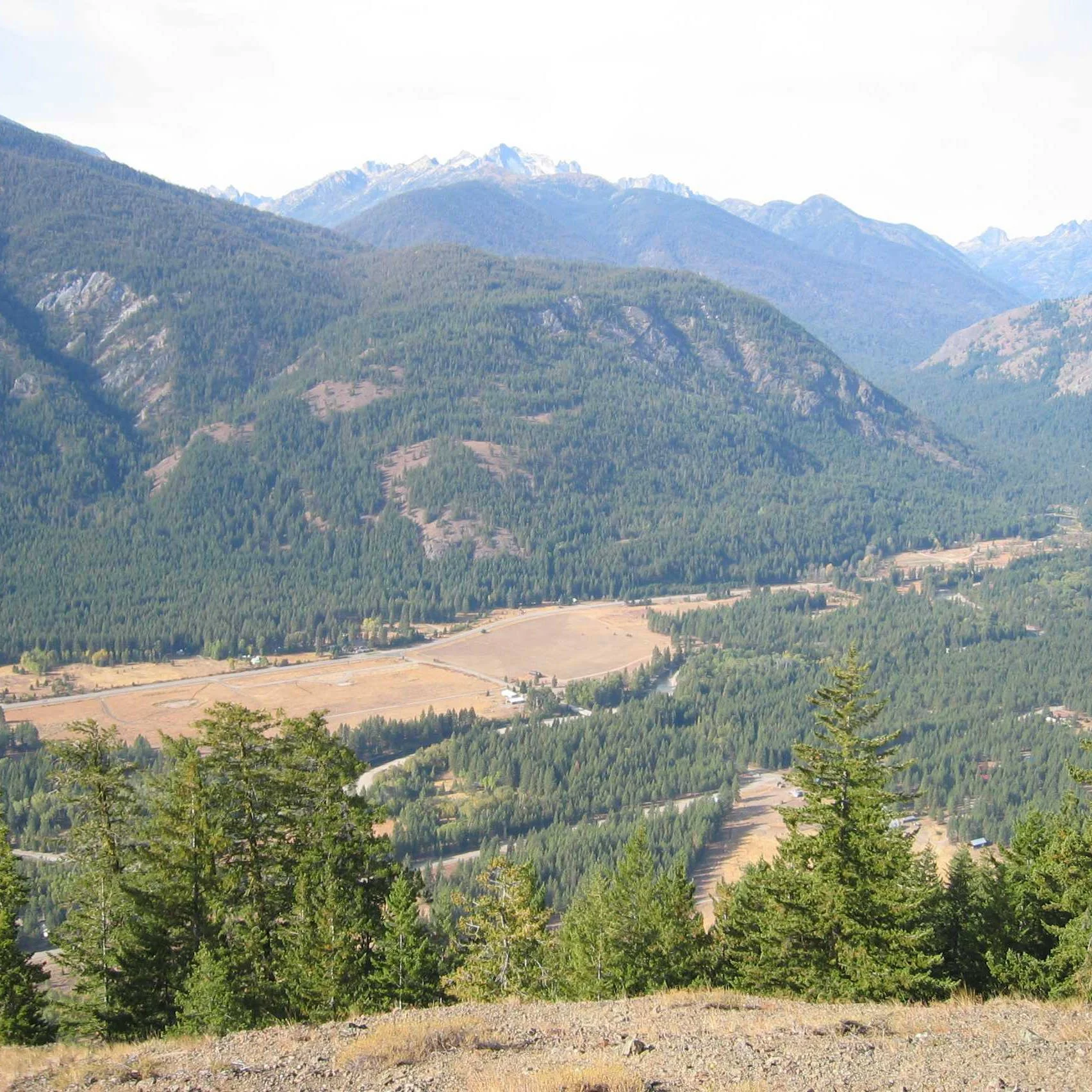
What you learn before you design shapes everything that follows
You have found a site in Mazama. You can almost picture a new home and your instinct is to start designing.
That instinct is understandable - but acting on it too early is where most custom home projects lose time, cost, and sometimes their best outcomes.
The difference between a project that flows and one that stalls rarely comes down to the quality of the design. It comes down to how well the site was understood before the design began. In a place like Mazama - where sun, snow, forest, orientation, and access all interact in ways that are not always obvious from a distance - that understanding is everything.
What site understanding actually means
Site understanding is not simply a matter of visiting the land and taking photographs. It is a disciplined process of reading the conditions that will shape your home - working through a set of interconnected questions before a single room is drawn.
In Mazama, that process typically moves through four areas of inquiry.
Sun, light and heat
The sun path is the starting point. Where does the sun rise and set in summer, and how does that shift in winter when the days are short and the sun tracks low across the sky? A room oriented to catch morning light in July will feel very different in January. The kitchen and dining spaces benefit from east-facing light - morning sun, useful warmth, good working conditions through the day. Living spaces and any indoor-outdoor connection work best to the west, where late afternoon sunlight can be captured as the day winds down.
The south elevation is the most complex. It offers the greatest solar gain in winter when you want warmth, but it can overheat in summer if it is not carefully managed. Roof overhangs, deep reveals, and covered terraces are the tools. Rooms that do not need generous light - utility spaces, storage, secondary bedrooms - can be placed to the north, where windows can be smaller and heat loss is reduced.
Where the forest canopy is dense, direct sunlight may not reach the interior at all through conventional windows. In those conditions, toplighting - rooflights, clerestories, light wells - becomes the primary way of bringing daylight into the house. Understanding the canopy early determines whether the building needs to reach up for its light rather than sideways.
Views, orientation and aspect
Views and orientation rarely align perfectly, and the tension between them is one of the most interesting problems in site design. The best view may be to the north, which is also the coldest elevation. The most desirable outlook might face directly into a neighbouring plot. Resolving that conflict - deciding when to follow the sun and when to follow the view, and how to frame both without compromising either - is one of the early decisions that shapes the character of the whole house.
Privacy between neighbouring sites is part of this. On a small development like North Bank, where plots sit close to one another, the position of living spaces, terraces, and window openings needs to be considered in relation to what is happening on the adjacent land. A view that feels open and private today may feel very different once the neighbouring house is built.
Access, utilities and ground conditions
Where does the entry sequence begin? The best point for vehicular access is not always the most obvious one, and the arrival experience - how you approach the house, where you park, how you move from outside to inside - is worth thinking about carefully. In Mazama, access also has to function in winter, which means snow clearance needs to be considered from the outset. Where does the snow go when it comes off the roof? Where does it accumulate when the driveway is cleared? These are not afterthoughts - they are design conditions.
Site utilities need to be located early. Where the septic system sits, where power comes in, where water is stored or treated - these decisions affect where the building can go and what the site can accommodate. A slope that looks appealing as a setting for the house may conflict with the drainage requirements of a septic field. Understanding the ground conditions, including any significant changes in level, shapes both the siting and the construction approach.
Site character and boundaries
Every site has a front and a back condition - a relationship to the public realm on one side and a more private, inward-facing quality on the other. Understanding which is which, and how the building addresses each, gives the house its orientation within the landscape.
The site boundaries and setbacks establish what is and is not buildable. The significant features - existing trees, rock outcrops, changes in vegetation, views through gaps in the forest - are the things worth keeping, working with, and occasionally celebrating. The character of the site and its surroundings sets the tone for the building that will sit within it.
None of these questions has a single right answer. But asking them carefully, in relation to one another, before design begins - that is what allows the design to start from a position of understanding rather than assumption.
How incomplete site understanding creates problems
The cost of skipping this stage tends to show up in one of three ways.
The first is a planning problem. A design that has not been properly tested against the site's constraints - setbacks, access, wildfire clearance requirements, tree protection - may need significant reworking once those constraints become clear. In a place like Okanogan County, where building in a rural setting involves specific county requirements around site coverage, access, and services, early engagement with those requirements is not optional. It is part of the design process.
The second is a brief problem. A client who has not yet understood what their site can and cannot support often brings a brief that does not fit the land. They want a particular orientation, a particular relationship to the forest, a particular arrangement of spaces - and those preferences were formed without the site information that would allow them to be tested. Revisiting the brief once design is underway is expensive and disruptive. Revisiting it before design begins is simply part of the process.
The third is a cost problem. Buildings that are sited and sized without a clear understanding of the ground conditions, access requirements, and service connections often produce contractor quotes that surprise their owners. Early site understanding does not eliminate uncertainty - nothing does in construction - but it reduces the gap between expectation and reality at the point when that gap is cheapest to close.
The role of a focused feasibility study
A focused feasibility study is the most practical way to build this understanding before committing to a full design process. It is a short, structured exercise - typically around eight hours of work - that brings together your priorities as a client, the conditions of your site, and an honest assessment of what is achievable within your budget and timeframe.
It is not a design. It does not produce drawings or specifications. What it produces is clarity - a shared understanding between you and your architect of what the site is asking for, what your brief is actually requiring, and whether those two things are genuinely compatible before significant time or money is invested.
In the context of Mazama specifically, a feasibility study is particularly valuable because many of the site conditions that matter most - seasonal light, snow behaviour, wildfire buffer requirements, access in winter - are things that take time to observe and understand. An architect with direct knowledge of those conditions can compress that learning curve significantly. The study becomes a way of transferring that knowledge into your project at the earliest possible stage, when it has the most influence on the outcome.
Starting well
A home built in Mazama should feel like it belongs there - not placed on the site, but grown from it. That quality does not come from the design alone. It comes from a thorough understanding of the site that shapes every decision that follows, from the first sketch to the last detail.
When that groundwork is done well, the design process feels different. Decisions come more easily. The brief holds its shape. The contractor understands what is being asked and why. The finished building feels inevitable rather than arrived at.
That outcome starts with a conversation. Not a design meeting - simply a discussion about your site, your priorities, and whether a short feasibility study would give you the clarity to move forward with confidence.
If you are considering a site in Mazama, and would like to start a conversation, please get in touch here.
You might also find this useful: Thinking of Building a Home in Mazama? Start Here