Do I need an architect for a home renovation or extension?
Your options laid out and what they mean for your project
The short answer is no. In most cases, you are not legally required to hire an architect to extend your home in the UK. Anyone with the skills to produce a set of drawings can carry out this work and submit a planning application on your behalf. Builders, architectural technicians and planning consultants are among those who typically offer this service.
But that is not really the question most homeowners are asking. The real question is whether hiring an architect is worth it. Whether the cost justifies what you get in return.
The answer to that question is almost always yes. Here is why.
What you can do without an architect
There are occasions when hiring an architect does not justify the cost. Any project that does not need planning permission, has a simple brief, and a tight budget can rarely support the fees. If you have a clear picture of what you want and those conditions are met, the money is probably better spent on a good builder to get the job done well.
These projects are typically single storey rear extensions within permitted development limits, or straightforward home renovations where the scope is well defined and the design decisions are limited.
What you lose when you go without
The question is not whether you can build an extension without an architect. It is what the extension becomes when you do.
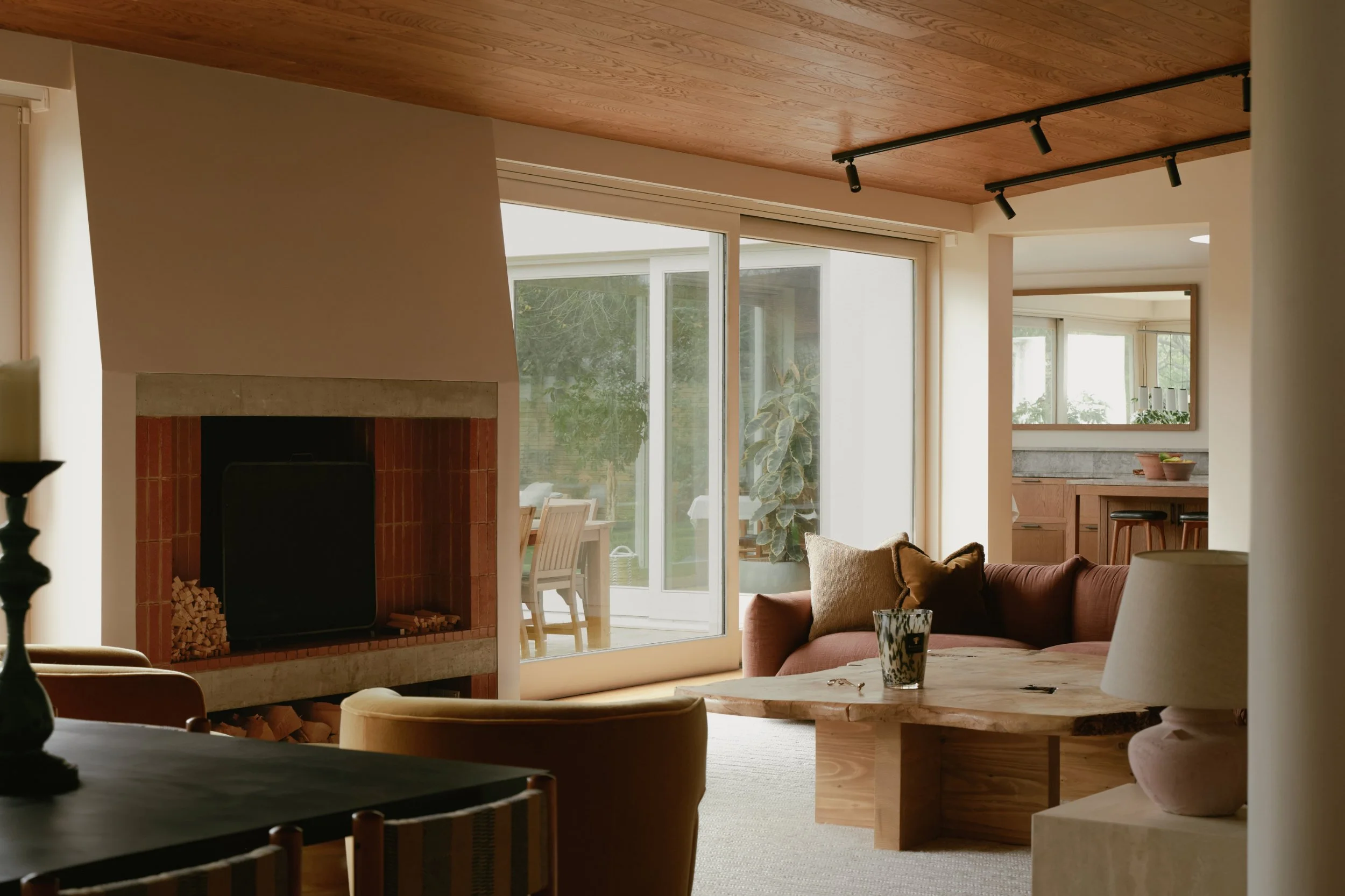
Without architectural input, most extensions follow the path of least resistance - adding space in the most obvious way, without asking whether that is the best way. The result is often more space but not a better home. The new space can feel disconnected from the existing house. Light is not considered carefully. The relationship between inside and outside is not thought through. The materials and details do not quite work together.
These are not minor issues. They are the difference between an extension that adds genuine value - to the quality of your daily life and to the market value of your property - and one that simply adds space.
An architect brings something that a builder or technician typically does not: the ability to understand what you are really trying to achieve, test that brief against the building and the site, and design a response that makes the whole house work better, not just bigger. These are skills developed specifically through architectural training and practice, alongside the technical and construction knowledge that builders and technicians also carry.
The planning process is more complex than it looks
Even for projects that seem straightforward, the planning process in London involves more complexity than most homeowners expect. Conservation areas, Article 4 directions, permitted development limits, neighbour considerations, and the specific requirements of your local planning authority all shape what is and is not achievable.
An architect who has worked across several boroughs of London understands these constraints and knows how to design within them, and at times how to negotiate them. A planning application prepared without that knowledge is more likely to encounter problems, require amendments, or be refused.
Refusals are not just frustrating. They create a planning history on your property that can affect future applications. Getting it right the first time has long-term value.
The 1:10:100 principle
There is a useful way of thinking about the cost of design relative to the cost of building and the cost of living in the finished home.
If the design fee is 1, the construction cost is typically 10, and the lifecycle cost - what you spend on operating, maintaining, and eventually adapting the building - is 100. Yet it is the 1 that has the biggest influence on both the 10 and the 100.
A well-designed extension uses materials that age well and require less maintenance. It is detailed clearly enough that the contractor can build it efficiently, reducing the risk of costly on-site decisions. It responds to light and layout in ways that improve daily life for years - decades - after the build is complete.
Underinvesting in the design fee to save money at the start is one of the most common and most expensive mistakes in residential construction.
What a residential architect actually does on an extension project
It is worth being specific about what you are getting when you hire an architect for an extension.
At the start, they listen carefully to what you are trying to achieve - not just the brief on paper but what you actually want the space to feel like and how you want to live in it. They test that brief against your building and your site before any design begins.
During design, they explore options you may not have considered, resolve the relationship between new and existing, and make decisions about light, proportion, materials, and detail that determine the quality of the finished space.
Through planning, they manage the application process, respond to queries from the planning officer, and navigate any complications that arise.
During construction, they administer the contract, visit site regularly, and act as your representative - making sure the building is built to the drawings and the standard agreed.
After completion, they remain available through the post-occupancy period to resolve any issues that emerge as the building settles into use.
That is not a luxury service. For a project that will affect the quality of your daily life for the next twenty or thirty years, it is a considered investment.
The right question to ask
Rather than asking whether you need an architect, it is worth asking what kind of extension you want to end up with.
If the answer is more space, built quickly and at the lowest possible cost, then a full architectural service may not be the right fit.
If the answer is a home that works better - that feels right to be in, that responds to how you actually live, that adds lasting value to the building and to your life in it - then the investment in good design is almost always the right decision.
If you are considering a house extension and would like to discuss what is possible, we would welcome an early conversation.
Get in touch here: https://www.pierremare.com/contact