Planning permission in conservation areas in North London - what homeowners need to know
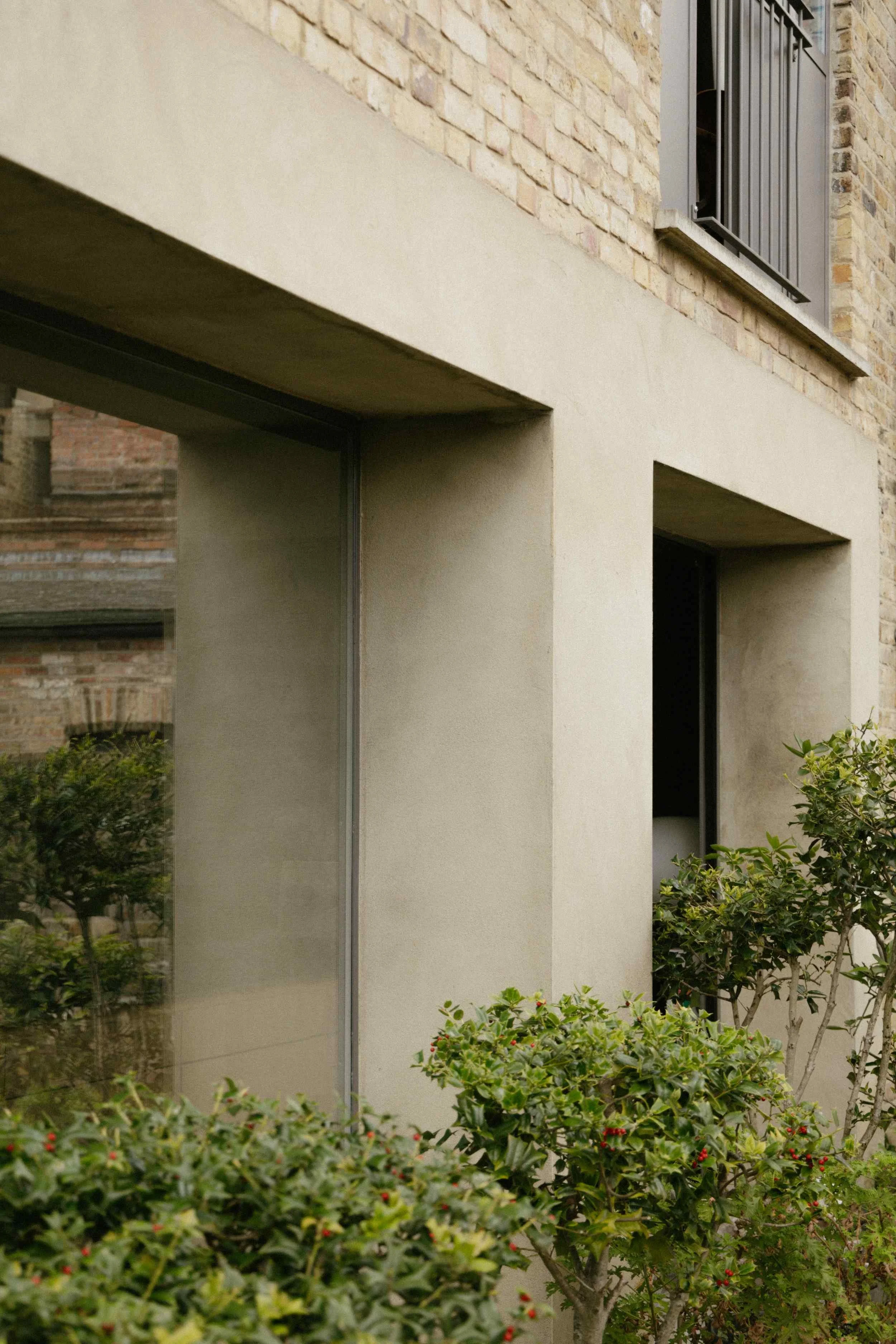
What the rules mean in practice and how to navigate them with confidence
If your home is in Crouch End, Muswell Hill, Highgate, Hornsey, or many other parts of North London, there is a good chance it sits within or close to a conservation area. That designation affects what you can and cannot do to your property - sometimes in ways that surprise homeowners who assumed their project was straightforward.
Conservation areas are not a barrier to good design. Handled well, the constraints they impose tend to produce better outcomes. But understanding the rules before you start - and working with someone who knows how planning authorities in London interpret them - makes a significant difference to how smoothly a project progresses.
What is a conservation area?
A conservation area is a designated part of the built environment that a local planning authority has identified as having special architectural or historic interest. The designation does not mean nothing can change - it means that change needs to be managed carefully to preserve and enhance the character of the area.
In North London, conservation areas vary significantly in character. Highgate Village has some of the most carefully managed streets in London, with strict guidance on materials, fenestration, and alterations to front elevations. Crouch End's conservation area covers the Broadway and surrounding streets with specific attention to the late Victorian and Edwardian building stock. Muswell Hill's conservation area reflects its Edwardian planned suburb character. Each has its own appraisal document and management plan that sets out what matters most in that specific place.
What is an Article 4 direction?
This is where many homeowners encounter their first surprise. In most parts of England, certain types of work - small rear extensions, loft conversions, replacing windows - can be carried out without planning permission under permitted development rights. In conservation areas, local planning authorities can remove those rights through an Article 4 direction, meaning that work which would normally be permitted development requires a full planning application instead.
Most homeowners do not know Article 4 directions exist until they are told their planned project needs planning permission. The assumption that a neighbour built an extension without permission means you can do the same is a common one - but your neighbour may have built before the Article 4 direction was introduced, or their property may sit just outside the conservation area boundary.
The practical implication is straightforward: if your home is in a conservation area, establish what Article 4 directions apply to your property before assuming anything about what is and is not permitted.
What planning officers look at
Conservation area planning applications are assessed against the character and appearance of the area as defined in the relevant conservation area appraisal. Planning officers are generally looking at whether a proposed change preserves or enhances that character - or causes harm to it.
In practice, this means close attention to several things.
Materials are scrutinised carefully. Facing bricks, render, roofing materials, and window designs are all assessed for their compatibility with the existing building and the surrounding area. UPVC windows are almost always refused in conservation areas regardless of the building type. The detail of how new materials meet existing ones - junctions, reveals, sills - matters more than it would on an unrestricted site.
Roof alterations are closely examined, particularly anything visible from the street. Certain types of dormer that would be permitted development elsewhere require full planning permission in conservation areas, and the design of those dormers - their proportion, their materials, their relationship to the roofline - is carefully assessed.
Extensions are expected to relate well to the existing building without mimicking it slavishly. A contemporary rear extension that is clearly of its time but respectful of the host building's scale and materials is generally more favourably received than a poor pastiche.
Front elevations are the most sensitive. Any change to the primary facade - new openings, altered windows, changes to boundary treatments - is assessed with particular care.
Listed buildings
If your property is listed, the requirements go beyond planning permission. Listed building consent is a separate application that covers any works that would affect the character of the listed building - internally as well as externally. Many homeowners are surprised to discover that changing internal walls, replacing historic joinery, or altering original features requires consent even when those works are not visible from the street.
Listed building applications require a heritage statement - a document that explains the significance of the building, assesses the impact of the proposed works, and makes the case for why they are appropriate. The quality of that argument matters enormously.
On complex conservation area projects and listed building applications, we work with a planning consultant who has heritage expertise from the outset. This means the planning strategy and the design are developed together, with the heritage argument informing the design decisions rather than being applied after the fact. In our experience, applications where the planning, heritage and design thinking are developed in parallel are significantly more likely to succeed first time.
Getting it right first time
A refused planning application is not just frustrating. It creates a planning history on your property that can affect future applications. Officers and committees refer to previous decisions - a refusal on record can make a subsequent application harder to approve even if the new proposal is different.
Pre-application advice - a formal or informal discussion with the planning officer before submitting - is almost always worth seeking on conservation area projects. It surfaces concerns early, when they are cheap to address, rather than after submission when changes require amendment or resubmission.
We manage the planning process on behalf of our clients across London boroughs including Haringey, Camden, Islington, Westminster, Kensington and Chelsea, and Hackney. Each authority interprets conservation guidance differently and each has its own character of officer engagement. That familiarity with how different planning departments work is one of the things we bring to a project.
What this means for your project
If your home is in a conservation area, the right approach is not to be deterred but to be well informed. Understanding the constraints early - before any design decisions are made - means the design can respond to them rather than fighting against them.
A well-designed extension or loft conversion in a conservation area should enhance the building it belongs to. The discipline of working within constraints tends to produce more considered outcomes than working without them.
If you are considering a project in a conservation area and would like to discuss what is possible, we would welcome an early conversation.
Get in touch here: https://www.pierremare.com/contact