Armenian House, Kensington, London
Renovation and extension of a community building within a conservation area, Royal Borough of Kensington and Chelsea.
A community building renovation and extension in Kensington, within a conservation area
Armenian House is the renovation and extension of a long-established community centre located at the end of a residential terrace in Kensington. Although civic in use, the building is domestic in scale and sits quietly within a conservation area. Over time, incremental alterations had fragmented the interior. Existing split levels and disjointed floor plates made the building difficult to navigate and increasingly disconnected from the street.
Our brief was to secure the building's future for the next fifty years, creating a modern community centre that could support daily use, cultural events, and intergenerational activity. The goal was not symbolic architecture but a contemporary, welcoming place that appeals to younger members while remaining inclusive of those who have been involved throughout their lives. Armenian culture expresses itself through use—art, food, conversation, and events—rather than through applied motifs.
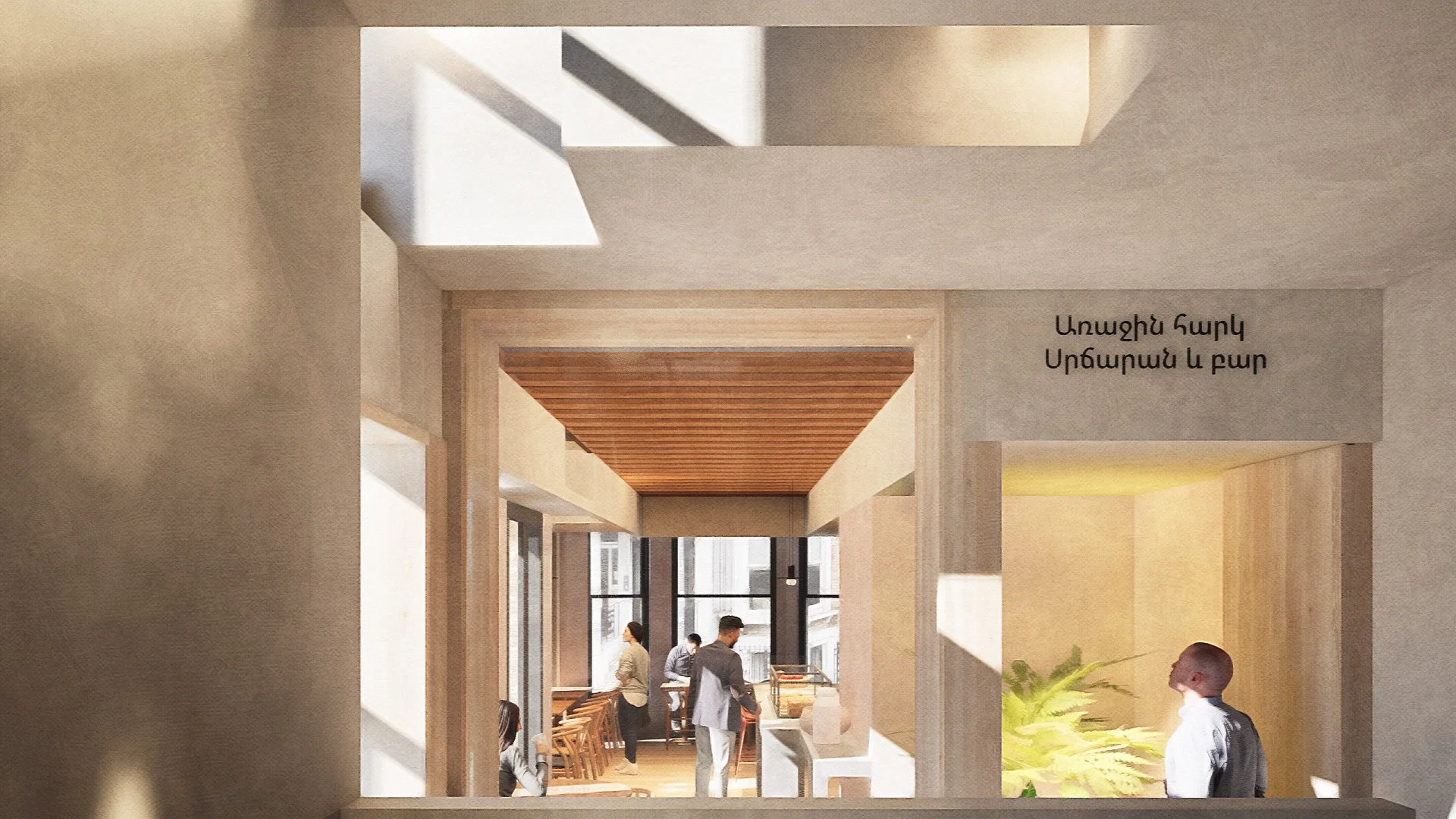
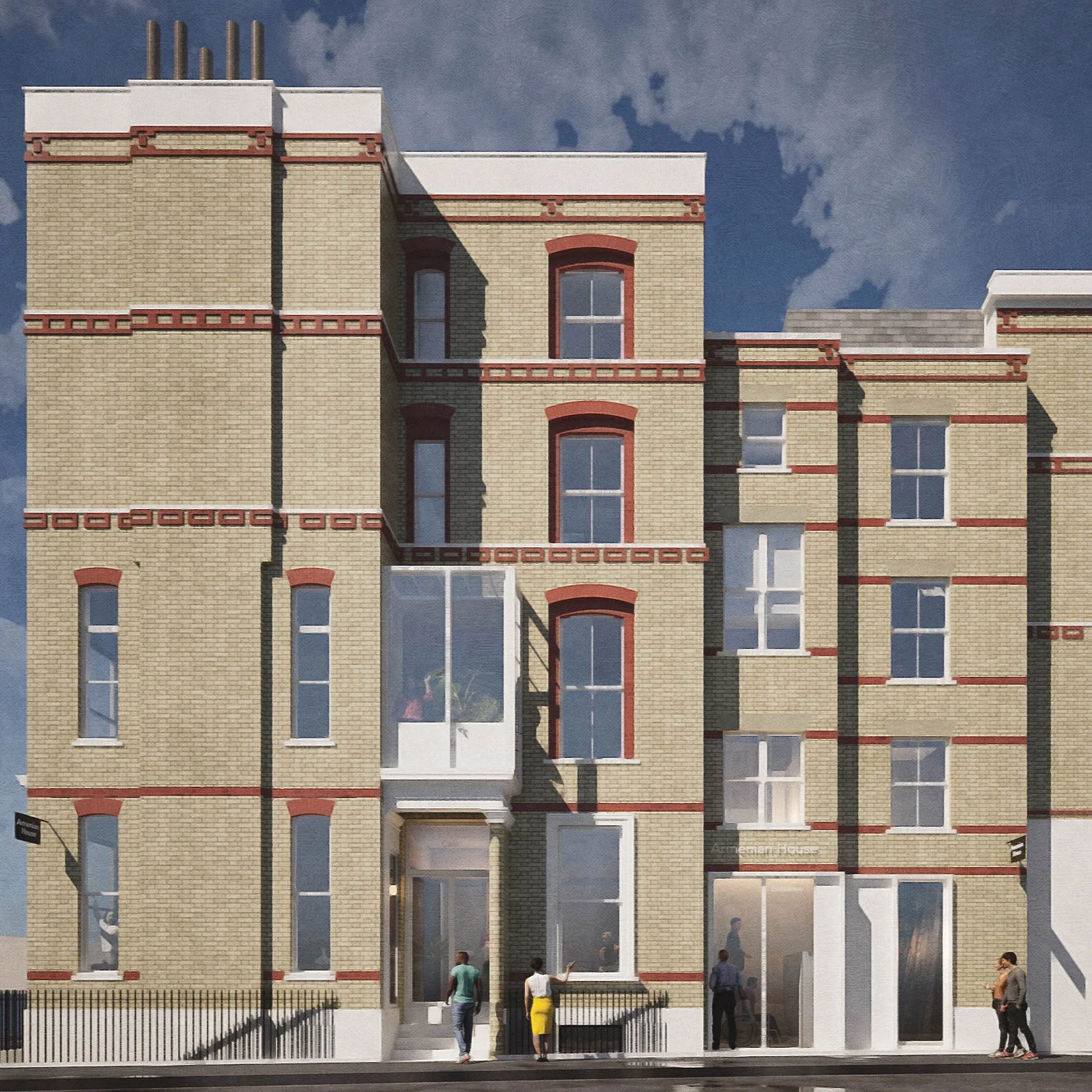
The new external entrance addresses a fundamental problem. Previously understated and difficult to locate, the entrance has been enlarged and made visible from the street. A glazed side panel allows activity within to be seen from outside, offering opportunities to display artwork, announce events, or simply provide a glimpse of life within. At ground level, windows have been opened up as planning policy allows, improving daylight and strengthening the building's relationship with the street.
Inside, the entrance hall acts as a connective space rather than a threshold to pass through quickly. Vertical circulation has been reorganized so all floors link clearly, making movement through the building intuitive and inclusive. A new lift ensures access for all. From arrival, there is visual and spatial understanding of how the building is organized.
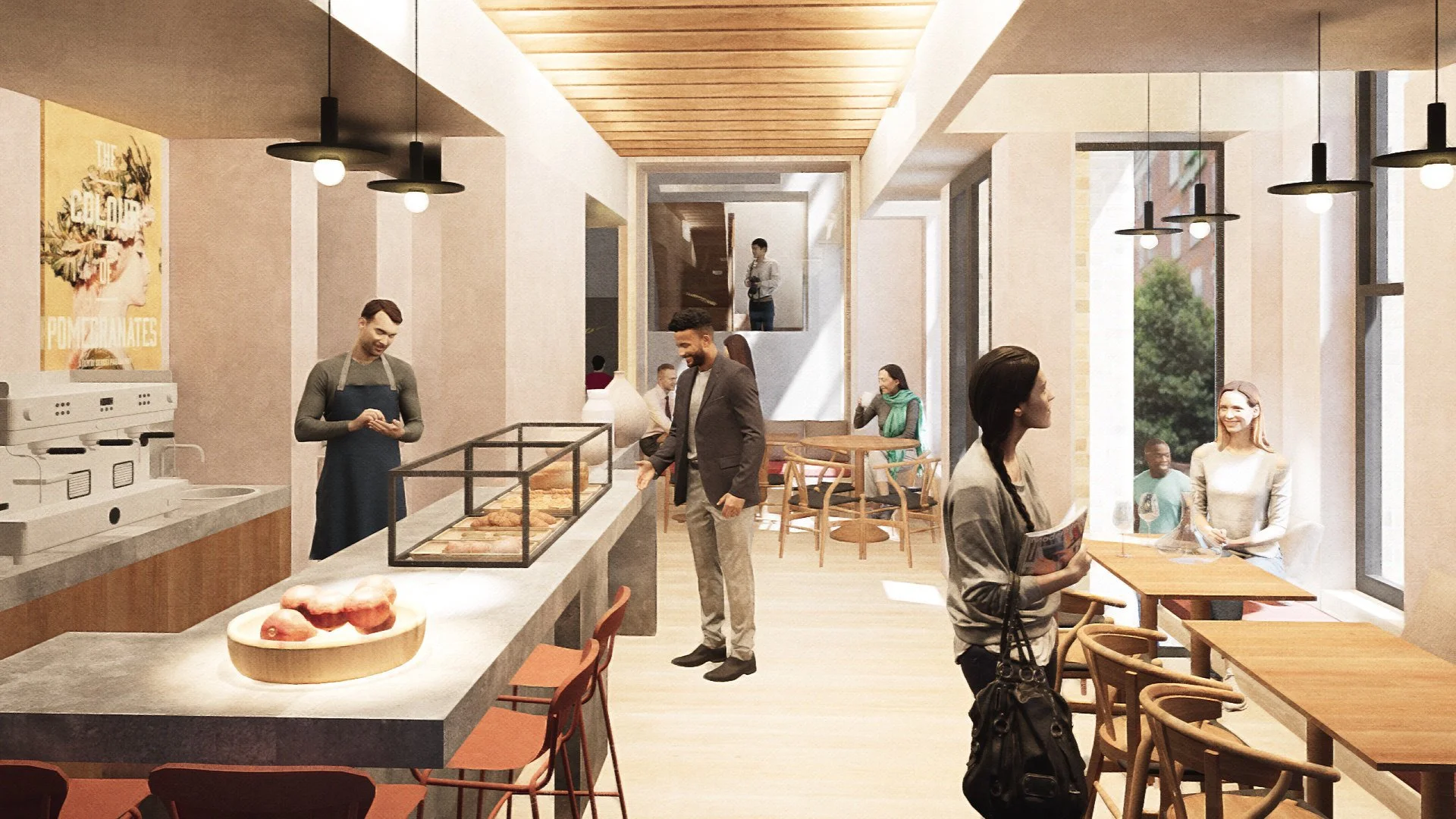
On the upper ground floor, a café and exhibition space form the building's heart. This space supports everyday use as well as cultural events, allowing food, art, and informal gathering to coexist. The café is outward-facing and animated, providing a contemporary expression of Armenian culture through lived activity. It draws people in, whether attending an event or simply passing by.
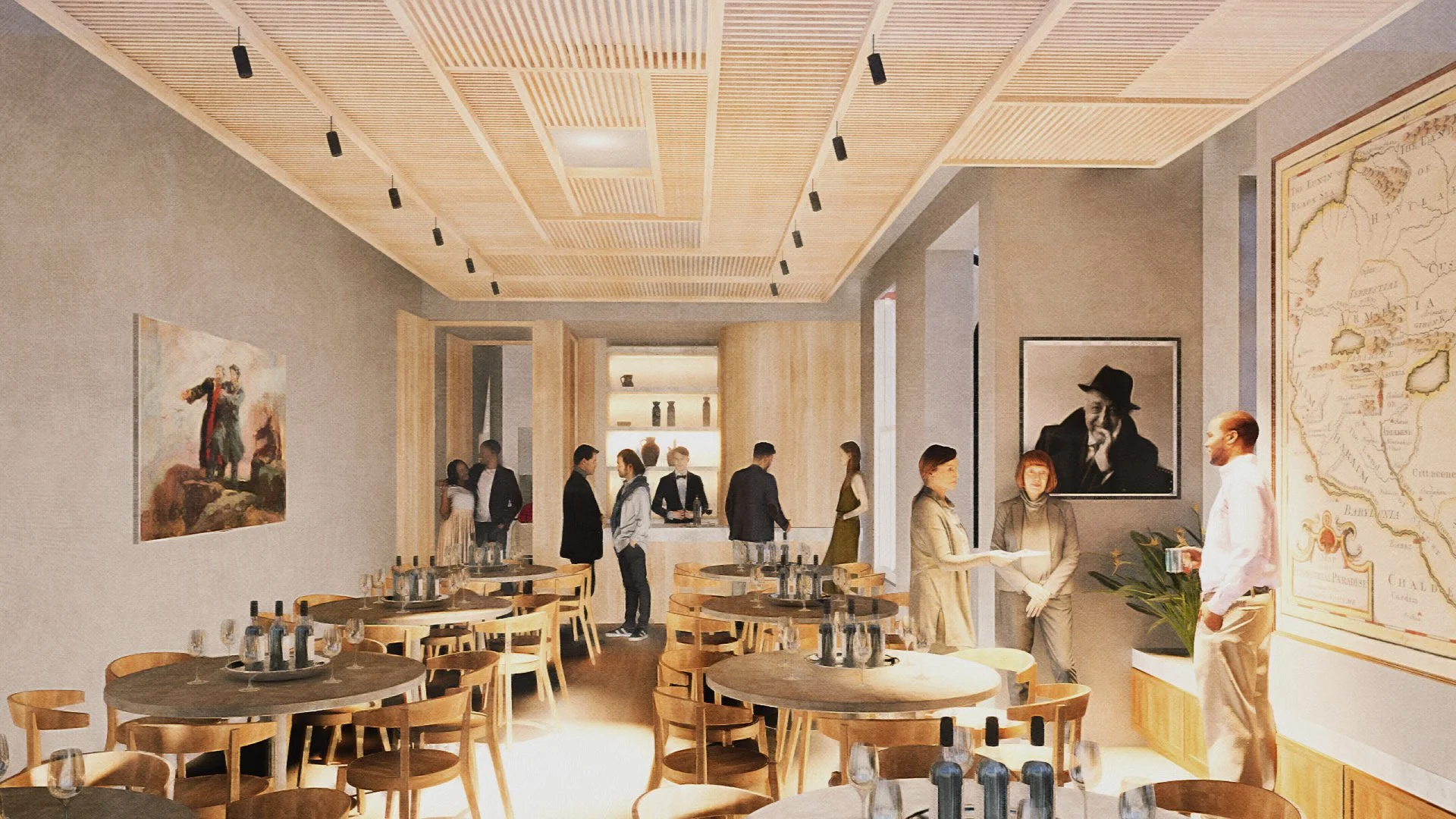
The main event space supports larger gatherings while maintaining intimacy and comfort. Environmental performance is integral to the design. Fresh air supply and return systems integrate above a new ceiling structure, allowing the space to function well without visual clutter. The ceiling geometry takes quiet inspiration from traditional hazarashen roof constructions found in Armenia—not as decorative reference, but as a way of resolving structure, light, and volume. The form negotiates the double-sided geometry of the room, with a bar feature and bay windows at either end, while discreetly accommodating ventilation units at the lower points of the ceiling.
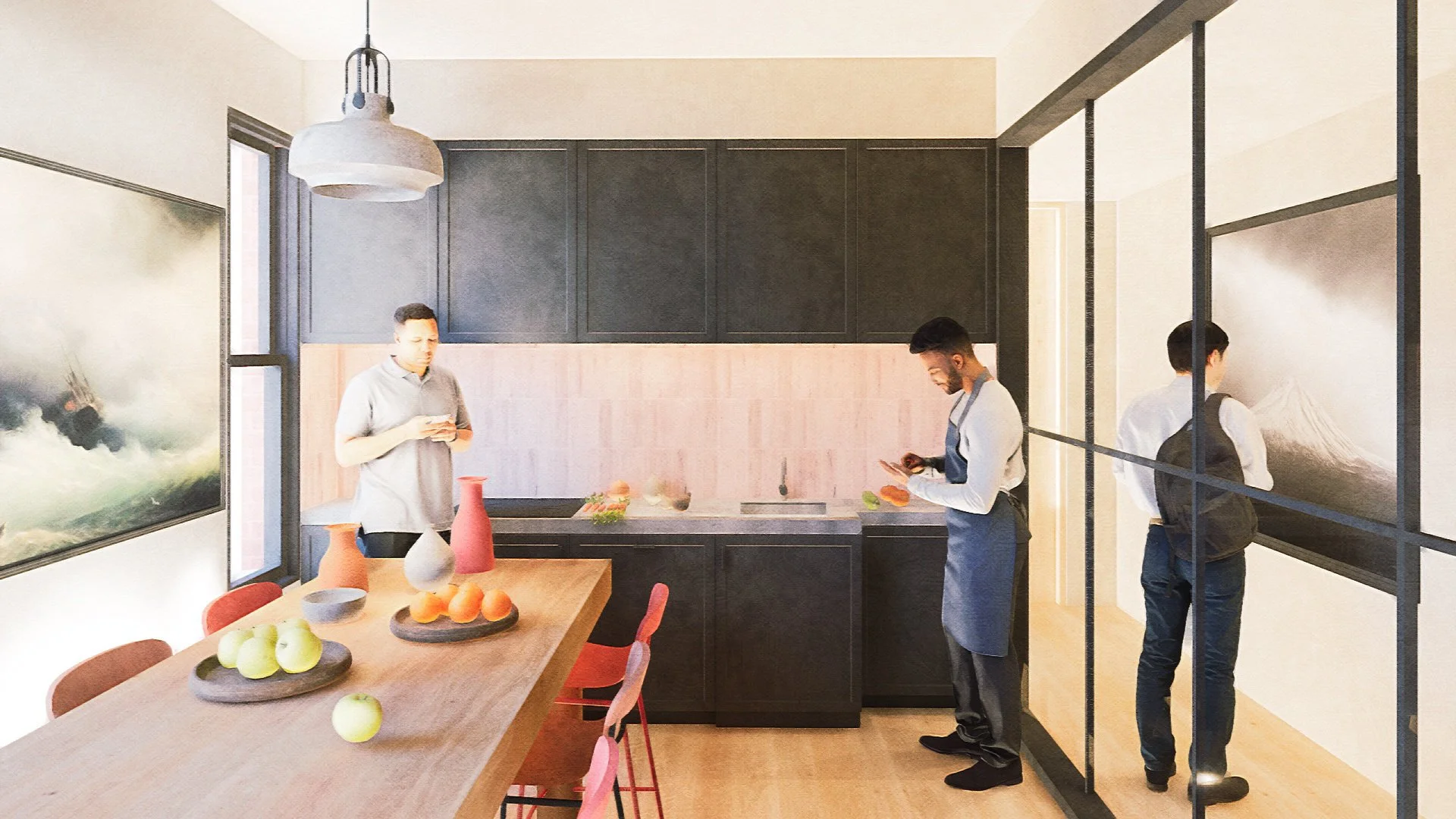
Meeting rooms are distributed across the upper levels, providing spaces for smaller gatherings, teaching, and administration. One meeting room on the second floor includes a kitchen for food preparation, supporting events throughout the building and increasing the centre's flexibility.
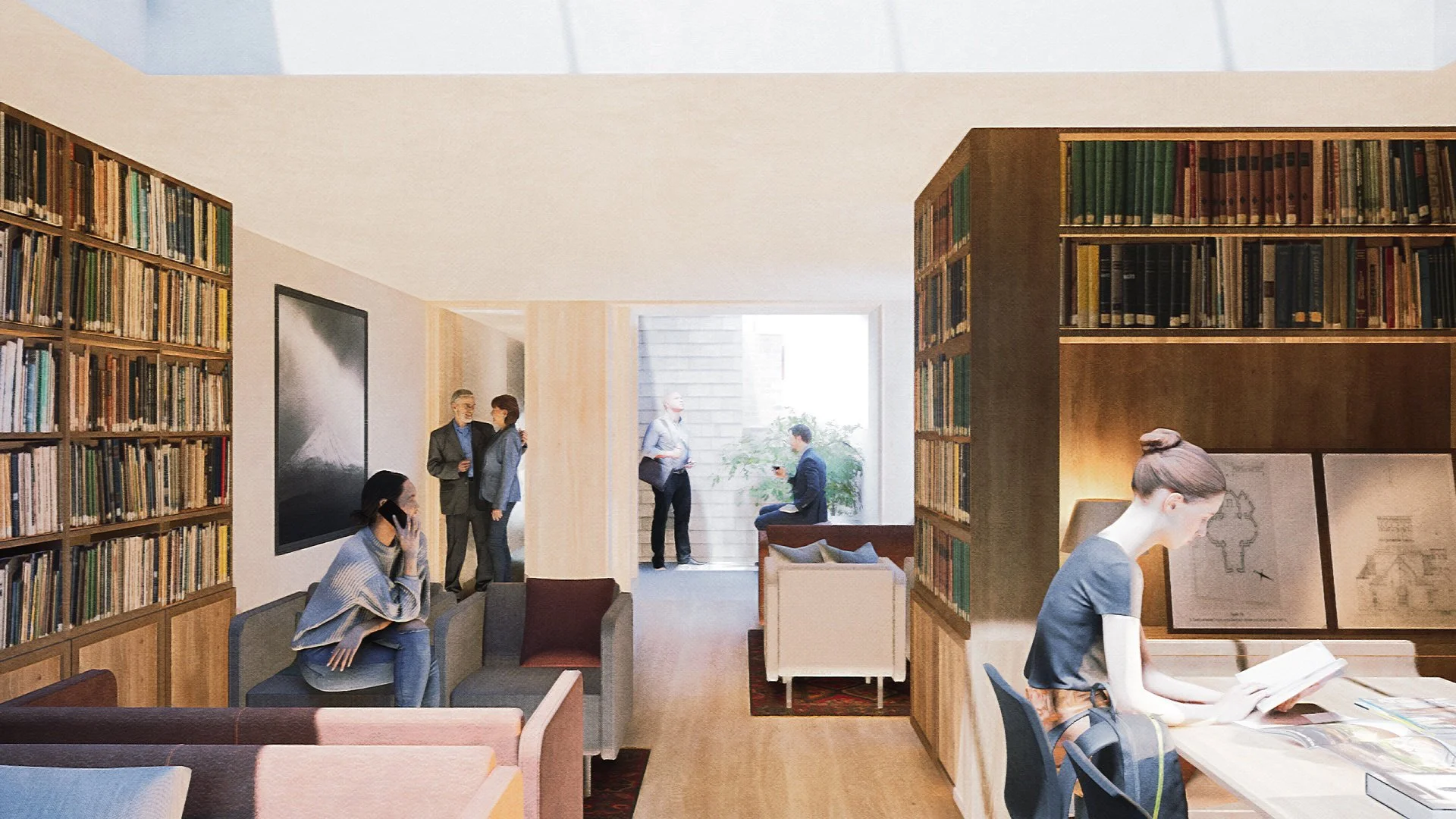
A quieter counterpoint to the more active spaces is the lounge library. Set back behind the existing parapets, this area gains additional volume, creating a generous reading space. By setting the roof back from the street to reduce visual impact within the conservation area, a small sunlit terrace forms at the opposite end. This provides an outdoor retreat and reinforces the building as a place to linger.
Planning permission was secured within the conservation area, allowing the building to be renewed while respecting its context and scale. The result is a robust, legible community building — modern in character, inclusive in use, and designed to support the evolving life of the Armenian community in Kensington for decades to come. This project demonstrates how a RIBA-chartered architect can sensitively extend and renovate a historic building in central London while fully respecting its conservation area context.
If you are considering a renovation or extension project in London, find out more about our architectural services.